Your Hefei Paycheck Goes Further Than You Think: A Real-Dollars Budget Breakdown
Before I moved to Hefei, a friend back in Chicago asked the question every American asks about China: "Is it cheap?" The honest answer is more complicated than that — but mostly, delightfully, yes. And the best way to show you is with actual numbers, converted to dollars at roughly 7.2 RMB to the USD (call it 7 for easy mental math).
The Big Ticket: Rent
This is where Hefei demolishes its American competition. A modern one-bedroom near Metro Line 2 in the Government Culture District runs about 2,800–3,500 RMB per month — $390–$490. Compare that to Austin, where the same apartment is $1,400, or Denver at $1,600. Even Chicago's more affordable neighborhoods start around $1,300.
A spacious two-bedroom, the kind that would cost $2,200 in a mid-sized US city? Often $700–$900 here, utilities included in many cases. Yes, the buildings are high-rises and the gym might be a treadmill and a mirror, but the square footage math is not close.
Everyday Spending, Converted
Here's a quick side-by-side of the stuff you actually buy every week:
| Item | Hefei (USD) | Austin | Denver | Chicago |
|---|---|---|---|---|
| Metro ride | $0.40 | $1.25 | $2.75 | $2.50 |
| Coffee (local shop) | $1.50 | $5.00 | $5.50 | $5.00 |
| Lunch (casual restaurant) | $2.50–$4.00 | $15 | $16 | $15 |
| Phone plan (unlimited data) | $8–$12 | $60+ | $60+ | $60+ |
| Groceries (single person, weekly) | $20–$30 | $80 | $85 | $80 |
| Ride-hail across town | $3–$5 | $18 | $20 | $18 |
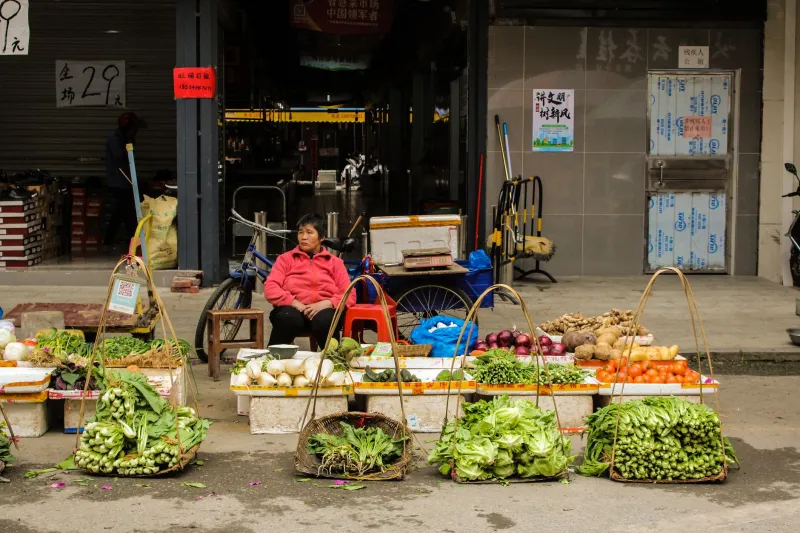
The grocery numbers come with a caveat: imported goods — cheese, good coffee, peanut butter, anything from Costco's emotional support aisle — cost a premium. Shop the wet markets and local chains like Yonghui and your bill stays tiny. Chase Wisconsin cheddar and you'll pay Chicago prices for it.
Three Budgets, Three Real Lives
Numbers in a vacuum are boring, so here's how three (fictional but realistic) people actually spend a month.
1. Maya, single English teacher
Maya makes 14,000 RMB (~$1,950) a month, with her apartment partially covered by her school. Her spending:
- Rent share: $200
- Food (mix of local eats and Western splurges): $300
- Transportation: $15
- Phone: $10
- Travel fund and fun: $400
- Savings: $1,000+
She saves more per month in Hefei than she did take home in Portland.
2. Derek and Sam, dual-income engineer couple
Both work at a Hefei tech firm, pulling a combined 45,000 RMB (~$6,250). Their budget:
- Two-bedroom apartment near Swan Lake: $850
- Groceries and dining: $900 (they eat out a lot — it's cheaper than cooking)
- Transportation: $60 (metro plus occasional Didi rides)
- Phone plans: $25
- Gym, entertainment, weekend trips to Shanghai: $600
- Savings: $3,500+ per month
They're doing in three years here what would've taken fifteen in Denver.
3. The Okafor family, with a two-year-old
One salary of 28,000 RMB (~$3,900), one stay-at-home parent. Monthly spend:
- Three-bedroom apartment: $1,100
- Groceries and diapers: $700
- Part-time nanny (20 hrs/week): $500
- Transportation and phone: $100
- Miscellaneous: $300
- Savings: $1,200 per month
A part-time nanny for $500 a month is the line item that makes American parents weep. Full-time domestic help here runs $800–$1,200 — unthinkable back home.
The Honest Fine Print
Hefei isn't free. International school tuition, if you go that route, is genuinely expensive ($1,500–$3,000/month). Imported wine, gym memberships at Western-style chains, and weekend flights home add up. And the lower cost of living comes with a lower ceiling in some careers.
But for most Americans here, the math is the whole point. You work, you eat incredibly well for pocket change, you ride the metro for less than a gumball, and at the end of the month, your savings account actually grows.
That's not "cheap." That's leverage — the financial breathing room to actually enjoy the city you moved to.