Dinner Is One Tap Away (Even If You Can't Read a Single Character)
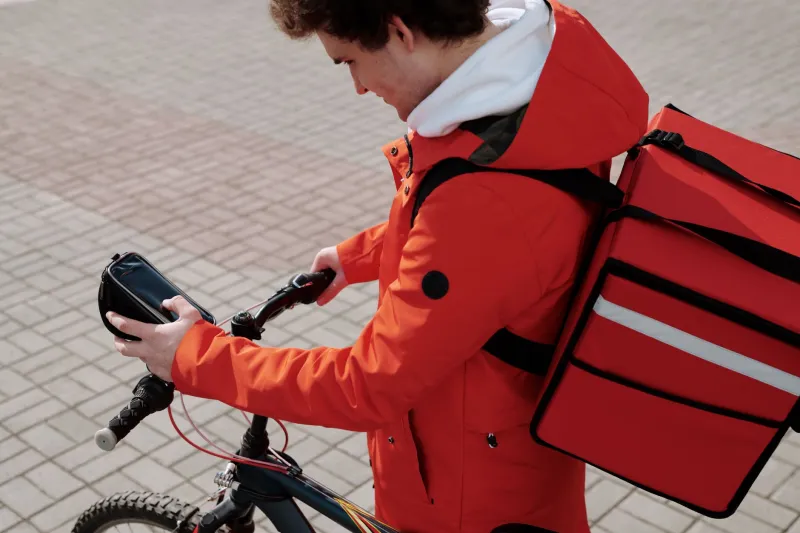
There's a moment every American newcomer to Hefei knows well: it's 8 p.m., you're hungry, your kitchen contains one spice jar and a rice cooker, and the only way dinner is happening is through an app that's entirely in Mandarin. Deep breath. Meituan and Ele.me — China's two delivery giants — are genuinely learnable in an afternoon, even if you can't read a single character on the screen. Here's how to get from zero to your first successful order.
Start With the Setup (This Is the Boring Part That Pays Off)
Both apps are free in your app store, and both work on iOS and Android without a Chinese phone number for most features. Before you do anything else, toggle on the in-app translation option if your version offers it — otherwise, keep your phone's built-in screen translation handy (on iPhone: Settings > General > Language, or just long-press text in some apps; on Android, Google Lens works over almost anything).
Next, save your address immediately. Tap the person icon (usually bottom right), then look for the tab with a location pin. You can paste an address copied from Baidu Maps or your landlord's WeChat message directly into the address field. Once it's saved, you'll never type it again — future checkouts are a two-tap affair.
Cards, Cash, and the Payment Question
This is the part that trips people up. Ele.me, owned by Alibaba, runs on Alipay — which now accepts most major US credit and debit cards after a quick setup. Meituan works with WeChat Pay, which added foreign card support too. The catch: some smaller transactions or certain card types trigger verification hiccups, so have both apps set up as backups for each other. If one fails at checkout, the other usually won't.
Pro tip from the trenches: top up your Alipay balance when possible rather than relying on card-per-transaction, which sometimes gets declined by your US bank's fraud detection. Call your bank before you fly and tell them you'll be in China — future you will be grateful.
Ordering Groceries Without Reading a Word
Both apps have grocery sections (look for the shopping cart or storefront icons), and here's where image search becomes your best friend. If you want milk, take a photo of the English word, translate it to "牛奶," and paste it into the search bar. Better yet: search a screenshot of the actual product. That imported cheddar you liked at the store? Photograph the package and search it.
Safe first-basket items that translate reliably:
- 牛奶 (milk) — watch for 常温, which means shelf-stable, not refrigerated
- 鸡蛋 (eggs)
- 米 (rice)
- 香蕉 (bananas) — hard to mess up
- 纸巾 (paper towels)
The Pharmacy Workaround
Ordering medicine when you can't describe symptoms in Chinese sounds scary, but it's manageable. Both apps have pharmacy sections, and the trick is this: type your symptom into a translator ("sore throat," "allergy"), get the Chinese phrase, and search that. Even better, many pharmacies have a chat function — paste your translated symptom into the message window, and the pharmacist will typically respond with product suggestions you can then translate back.
For anything serious, obviously skip the app and see a doctor. But for cold medicine, ibuprofen equivalents, and bandages, this works well. Ibuprofen is 布洛芬 — write that one down.
Restaurant Food: Your First Ten Safe Bets
Every listing shows photos, so you can order visually even without the text. Still, some categories are nearly foolproof for newcomers:
- Dumpling shops (饺子 or 包子) — point at photos, get dumplings, be happy
- Noodle houses (面) — beef noodle soup (牛肉面) is the universal comfort order
- Fried rice (炒饭) — impossible to get wrong
- Hot pot delivery (火锅) — yes, it comes to your door with everything included
- Milk tea (奶茶) — the gateway order; everyone starts here
Avoid, at least initially, anything with 内脏 (organ meats) in the description unless you're feeling adventurous.
The Doorbell-and-Dasher Ritual
Chinese delivery culture is beautifully low-contact. Your rider will often call or message — if you hear Chinese on the other end, just say "放门口" (fàng ménkǒu): "leave it at the door." Or paste that phrase into the order notes field when checking out. Riders typically photograph your food at the door, so there's built-in proof of delivery. Tipping isn't expected or really done — the delivery fee you see at checkout is the whole transaction, and it's often just a couple of dollars.
One Last Thing
Within two weeks, you'll be navigating these apps on autopilot, and the day you successfully order something weird and specific — like a single roll of tape and a mango smoothie at 11 p.m. — you'll feel a genuine, ridiculous sense of accomplishment. Welcome to life in Hefei. It's one tap away.