Before You Sign That Lease: An American's Field Guide to Renting in Hefei
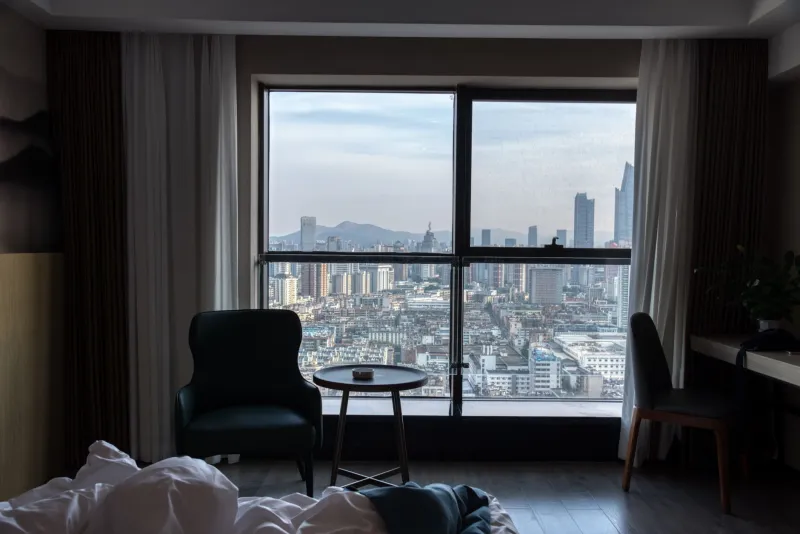
Six months into my Hefei move, a friend back in Chicago asked what my rent was. When I told her — a two-bedroom, ten minutes' walk from the metro, less than a third of what she paid for a studio in Logan Square — she didn't believe me. Hefei's rental market is genuinely affordable, but the process of getting into a good apartment has its own rules, and a few landmines that aren't obvious until you've stepped on one.
Here's the guide I wish I'd had on day one.
Where the Real Listings Live
Skip the English-language aggregator sites — most are stale. The two apps that matter are Beike (贝壳找房) and its sister app Lianjia. Beike is essentially the Zillow of China, and in Hefei it works well: verified listings, actual photos of actual units, and price history so you can tell when an agent is padding the number.
You'll want to set the app to Chinese characters you can copy-paste, and search neighborhoods by metro station rather than district name. Areas worth starting with:
- Zhengwu District — central, walkable, popular with young professionals
- Shushan District — leafy, near the universities, good for quieter streets
- Baohe District — close to Binhu and the lakeside, newer buildings
Working With an Agent (Yes, You Need One)
In China, nearly every rental goes through an agent, and the convention is that the tenant pays the agent a fee — typically half a month's to a full month's rent. That sounds steep until you realize the agent handles negotiations, translation-by-way-of-WeChat, and the paperwork. A good agent is worth it. A lazy one will show you nine identical overpriced units and call it a day.
Interview agents the way you'd interview a realtor back home. Ask how long they've worked with foreigners. Ask if the landlord is open to an English contract addendum. If they brush you off, move on — there are dozens of agencies on every block.
The Dingjin Trap
Here's the one that gets Americans. When you find a place you like, the agent will ask for a dingjin (定金) — an earnest-money deposit to "hold" the apartment. Pay it, and if you walk away for any reason, you lose the money. If the landlord backs out, they owe you double.
The trap: agents will push for dingjin fast, sometimes before you've read the lease or verified the landlord actually owns the unit. Never pay dingjin until you've seen the landlord's property certificate (房产证) matched against their ID. Scammers occasionally pose as landlords for units they don't own. Ten minutes of due diligence saves you a month's rent.
Your Viewing Checklist
Apartment viewings in Hefei move fast, and it's easy to get charmed by a nice lobby. Bring this list:
- Water pressure and hot water — turn on the shower. Electric water heaters in older buildings can be small and slow.
- Heating situation — Hefei sits on the awkward edge of China's central heating line. Ask whether the unit has heated flooring, an AC heat pump, or nothing but good intentions. Winter is real.
- Soundproofing — knock-test the walls. Newer high-rises vary wildly.
- Appliances — confirm what stays: AC units, washing machine, fridge. Get each item written into the lease with its condition noted.
- Phone signal — walk to the far bedroom and check your bars.
- Neighbors and noise — visit in the evening if you can, not just midday.
Reading the Lease When You Can't Read the Lease
Most Hefei leases are one page of dense Chinese with standard terms: usually pay three months' rent plus one month's deposit (押一付三). If your savings can't absorb that upfront hit, negotiate for monthly payment (押一付一) — common enough that landlords expect the ask, especially for longer commitments.
Before signing, get an English translation done — a bilingual friend, a paid translation service, anything. Key phrases to look for:
- 押金 (yājīn) — the refundable deposit. Confirm the return conditions in writing.
- 违约 (wéiyuē) — breach/penalty clause. Check how much early termination costs. Aim for one month's deposit as the penalty, not more.
- 维修 (wéixiū) — repairs. Push for language saying the landlord covers appliance and structural repairs.
What's Actually Negotiable
More than you'd think. Rent itself often has wiggle room of 100–300 RMB a month, especially if you'll sign a full year. Beyond that:
- A deep clean and fresh paint before move-in
- Replacing a worn mattress or adding an AC unit
- English contract addendum
- Flexible renewal terms so you're not locked in blind
Hefei landlords are, by and large, pragmatic businesspeople. A polite, reliable foreign tenant who pays on time is a good risk in their eyes — act like one, and you'll usually get the terms you want.
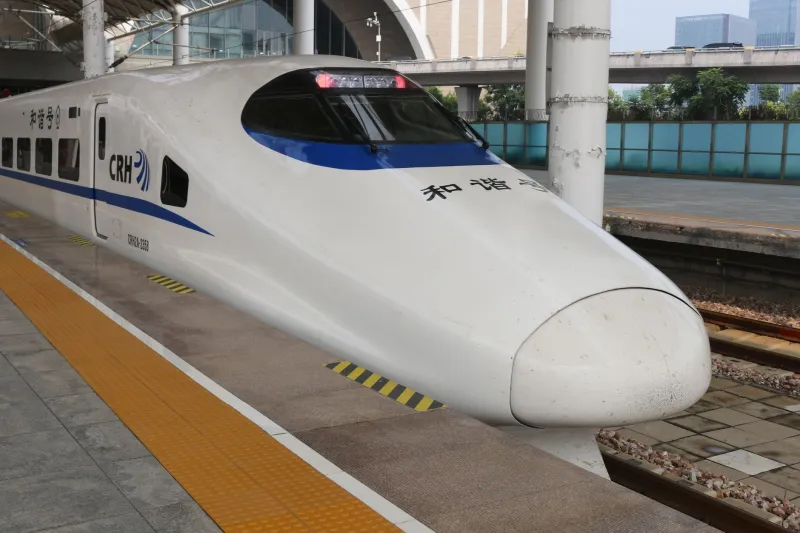
Find the right place, and the money you save on rent here goes a long way: weekend trains, better dinners out, and a cushion for the trip home. Worth doing the homework.